
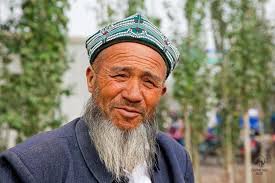
Uyghur Culture & Music
The Uyghur culture is a rich, vibrant tapestry woven along the historic Silk Road in Central Asia East Turkistan. It represents a unique blend of Central Asian, Persian, Islamic, and East Asian influences, reflecting their history as an oasis-dwelling, trading society.
Core Pillars of Uyghur Culture
Oasis Lifestyle & Hospitality: Historically, Uyghur society thrived in oasis cities like Kashgar, Turpan, and Khotan. This fostered a highly settled, agricultural, and trading culture known for its deep sense of hospitality, communal gatherings, and intricate tea traditions.
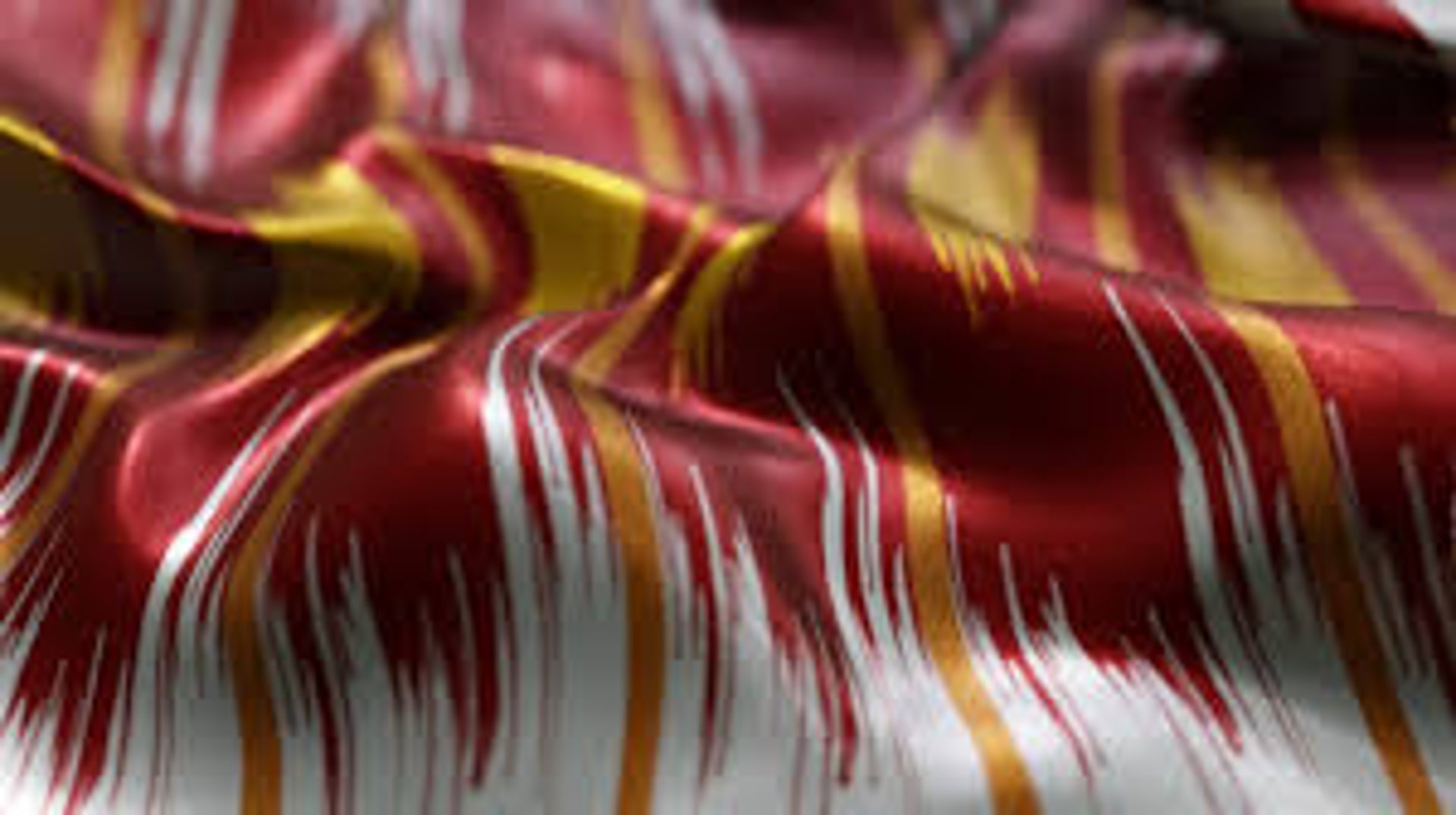
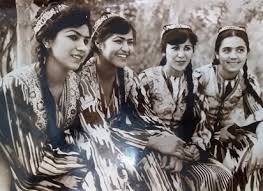
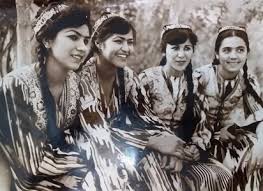
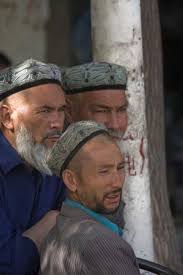
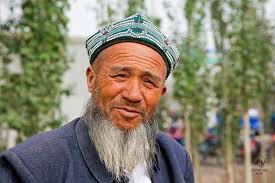
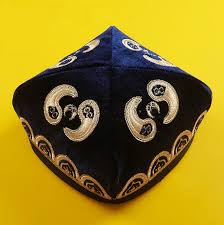
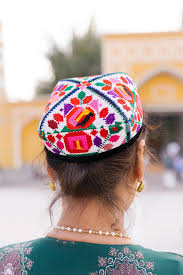
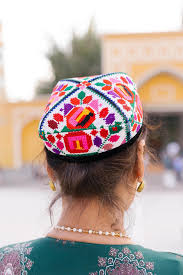
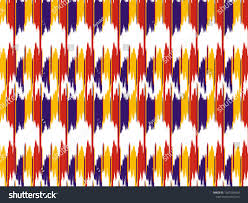
Craftsmanship & Attire: Uyghurs are famous for their exquisite carpet weaving, silk production (Atlas silk), and ceramics. A defining piece of traditional clothing is the Doppa—a beautifully embroidered, four-cornered skullcap worn by both men and women.
Cuisine: Uyghur food relies heavily on mutton, beef, and wheat. Signature dishes include Laghman (hand-pulled noodles topped with meat and vegetables), Polow (a spiced rice pilaf), and freshly baked Nan (flatbread).
The Soul of Uyghur Culture: Music & Dance
Music is not just entertainment for the Uyghur people; it is an essential repository of their history, philosophy, and spiritual life.
🎻 The Twelve Muqam (On Ikki Muqam)
The crown jewel of Uyghur music is the Twelve Muqam, a monumental suite of classical music, poetry, and dance. Recognized by UNESCO as a Masterpiece of the Intangible Cultural Heritage of Humanity, it is an incredibly complex system:
It consists of 12 main suites, each containing songs, instrumental pieces, and dance rhythms.
A full performance of all twelve can take over 24 hours.
The lyrics are deeply poetic, often drawing from classical Sufi poetry and folk legends to express themes of love, longing, and divine devotion.
🪕 Traditional Instruments
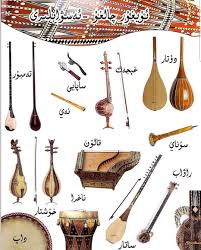
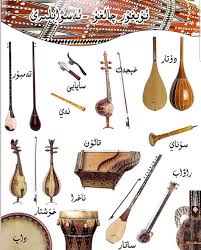
Uyghur instrumental music relies on an array of unique string, wind, and percussion instruments:
Dutar: A long-necked, two-stringed plucked lute, central to daily music-making and storytelling.
Tambur: A longer, multi-stringed instrument that produces a bright, resonant, metallic tone, often used to lead melodies.
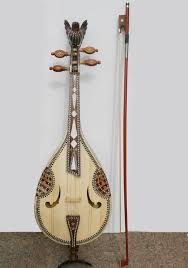
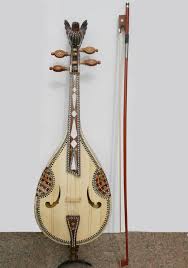
Satar: A bowed string instrument that gives Muqam music its characteristically soulful, haunting quality.
Rawap: A plucked instrument with a horn-shaped body, highly popular in folk music and celebrations.
Dap (Daf): A frame drum lined with metal rings on the inside, providing the driving, syncopated rhythm for traditional dances.
💃 Meshrep and Folk Dance
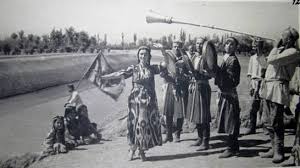
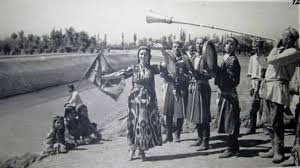
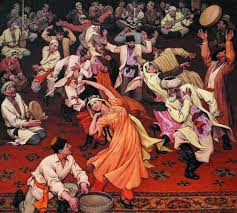
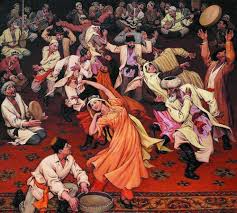
Music goes hand-in-hand with dance, characterized by expressive hand movements, sharp head turns, and rhythmic footwork. These elements come together perfectly during a Meshrep—a traditional communal gathering filled with music, dance, storytelling, and informal community courts that reinforce social bonds.
Heritage
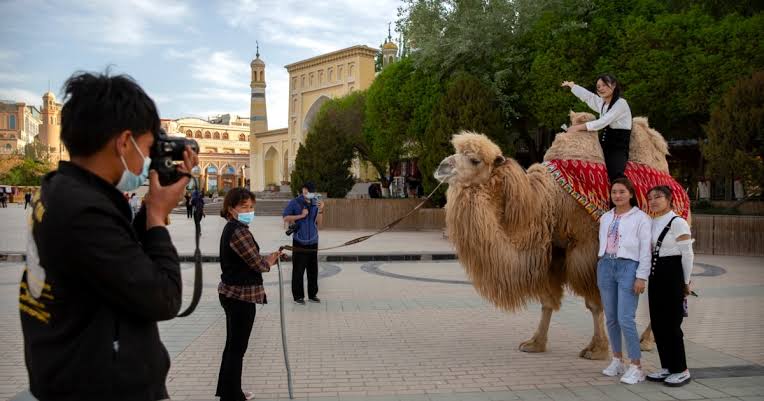
Uyghur heritage is a rich tapestry woven over millennia along the historic Silk Road, serving as a vital cultural bridge between Central Asia, East Asia, and the Middle East. It is defined by its deep resilience, profound artistic traditions, and a distinct identity rooted in oasis life and ancient trade routes.
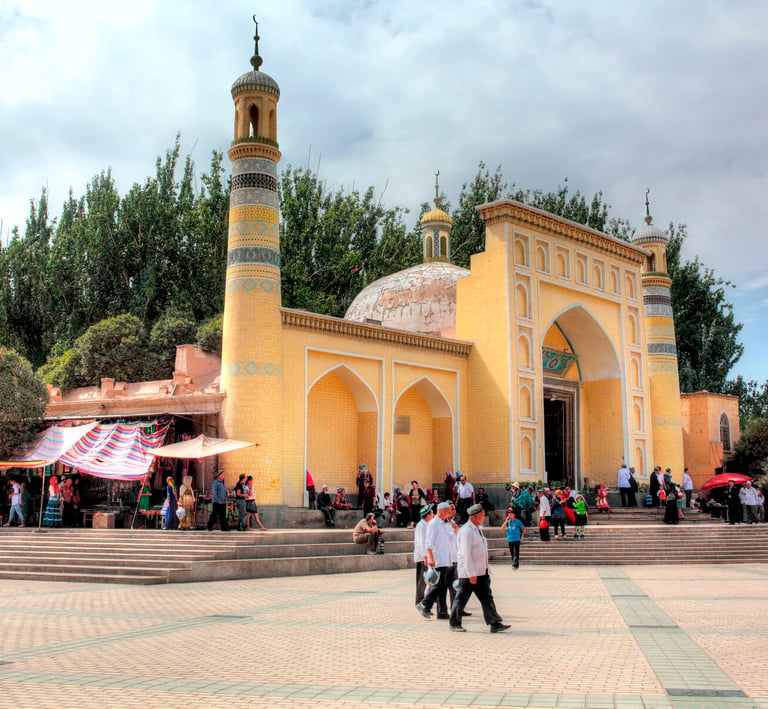
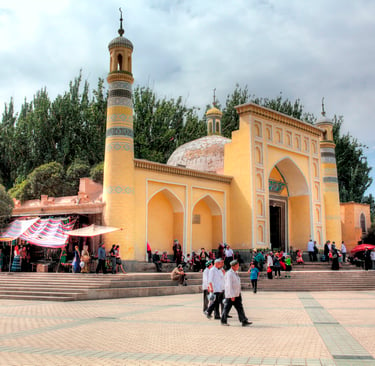
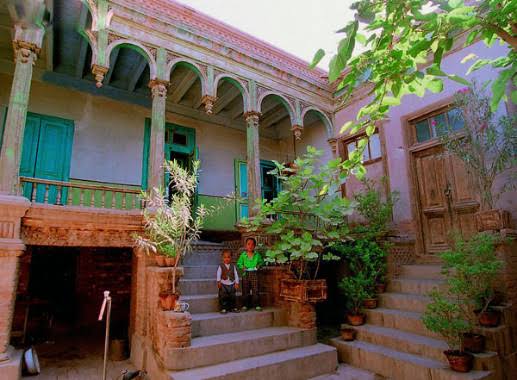
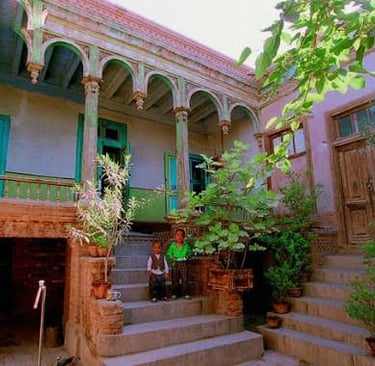


The historical architecture of cities like Kashgar showcases a masterful blend of Islamic design and Central Asian oasis styles, featuring ornate wooden balconies, carved plasterwork, and shaded courtyards.
This architectural ingenuity extended below ground with the Karez system—an ancient, sophisticated network of underground irrigation tunnels that channeled melted snow from the mountains to sustain agriculture in arid desert climates, transforming harsh landscapes into thriving cultural centers.
Uyghur Dish
Architecture and Land Innovation
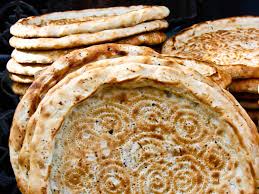
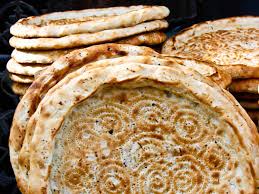
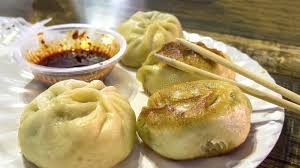
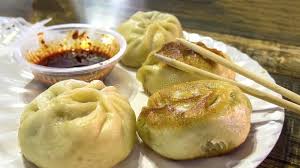
Uyghur cuisine is a rich, meat-forward culinary tradition from Central Asia. It features aromatic spices, hand-pulled noodles, kebabs, and baked flatbreads. Blending Middle Eastern and Chinese elements, the food avoids pork and seafood, relying heavily on lamb, beef, and fresh seasonal vegetables.
Essential Dishes
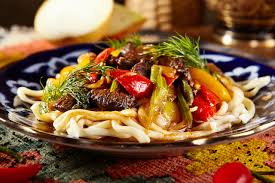
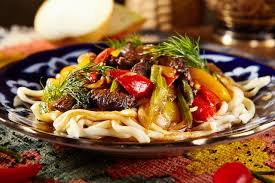
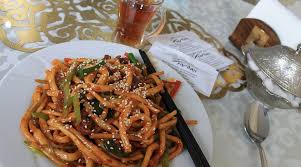
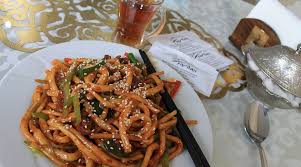
Laghman: The most famous Uyghur dish consisting of freshly hand-pulled noodles topped with a savory stir-fry of meat and vegetables.
Uyghur Polo (Polu): A rich Central Asian pilaf of rice, carrots, onions, and slow-cooked lamb or beef.
Lamb Kebabs (Kawap): Skewered lamb pieces heavily seasoned with cumin, chili flakes, and salt, grilled over an open flame.
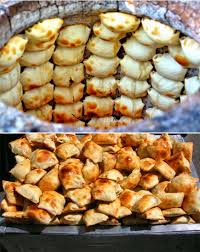
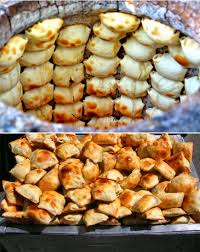
Samsa: Savory, flaky pastries filled with seasoned minced beef or lamb and diced onions, typically baked in a traditional clay oven.
Big Plate Chicken (Tohu Qorumishi): A hearty, shareable stew featuring bone-in chicken, potatoes, and thick flat noodles (known as biangbiang), cooked in a spicy chili and garlic broth.
Staples & Breads
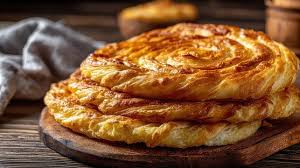
Uyghur Naan (Kax Nan): A thick, circular flatbread baked in a tandoor oven, often decorated with intricate patterns and topped with sesame seeds.
Chorpa: A comforting and clear meat broth, usually made with mutton, simmered with carrots, onions, and various spices.
Kawas: A popular, mildly sweet, non-alcoholic fermented honey beverage perfect for pairing with heavier meat dishes.
Indian Uyghur Society
indianuyghursociety@gmail.com
+91 70067 69804, 9797117137
Registration NO:- IN-JK30167526554597W
Darpan Id:- JK/2025/0533960
© Indian Uyghur Society
Kursoo Raj Bagh, Srinagar, Jammu And Kashmir - 190008 INDIA